
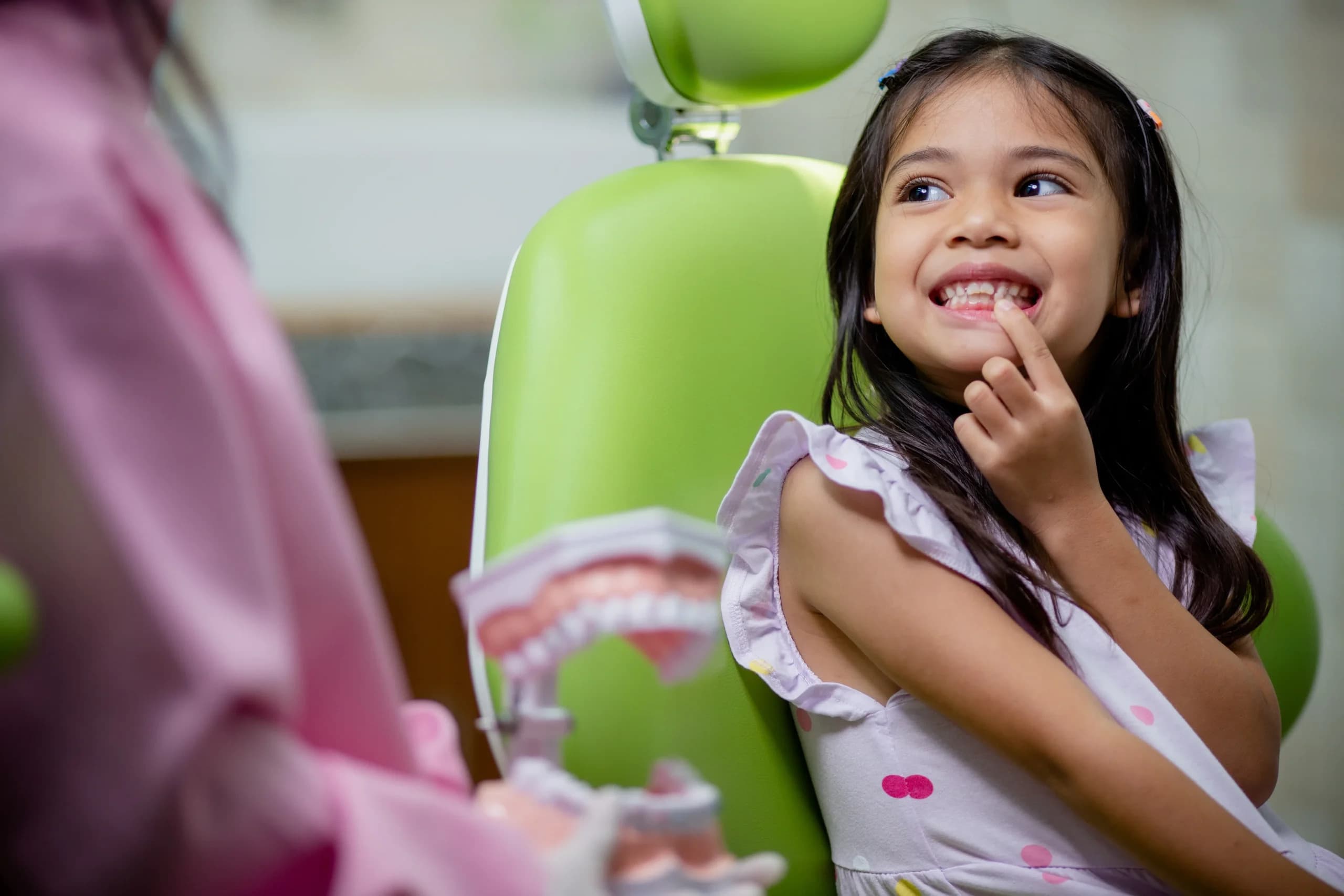
Kids Dentistry
Kids dentistry focuses on making every visit comfortable and positive, building healthy habits early through preventive care, gentle checkups, and treatment designed specifically for growing smiles.
A positive first experience at the dentist can shape how your child feels about oral health for life. At Dental Greens, we create a calm, friendly environment where kids feel comfortable, and parents feel confident their child is in gentle hands.
Children's teeth and jaws are still developing, which means dental care needs a different approach one that's gentle, patient, and easy to understand for a young patient.
At Dental Greens, we take time to introduce your child to the clinic before any treatment begins, explaining tools and steps in simple, friendly language so nothing feels sudden or scary.
From routine checkups to preventive care like sealants and fluoride, every visit is designed to protect growing smiles while building a positive relationship with dental care.
Benefits of Kids Dentistry
- Builds positive, lifelong associations with dental care.
- Catches decay and alignment issues early.
- Protects growing teeth with preventive treatments.
- Reduces anxiety through a gentle, patient approach.
- Supports healthy chewing, speech, and smile development.
- Gives parents practical guidance for home care.
The Kids Dentistry Process
Every visit starts with a warm introduction to the clinic, letting your child settle in before any exam begins. A gentle checkup follows, looking at growth, alignment, and any early signs of decay.
Depending on what we find, we may recommend a cleaning, fluoride treatment, or protective sealants, always explained in simple terms your child can understand.
Home Care Guidance for Parents
- Start brushing as soon as the first tooth erupts, using a rice-grain amount of fluoride toothpaste.
- Clean gums gently even before teeth appear, to build the brushing habit early.
- Begin flossing once two teeth touch, usually around age 2 to 3.
- Limit sugary snacks and drinks, especially between meals and before bed.
- Watch for thumb-sucking, tongue-thrusting, or mouth breathing habits past age 4, and mention them at checkups.
- Keep to six-monthly checkups from around your child's first birthday to catch issues early.
Who Is Kids Dentistry Suitable For
Kids dentistry is suitable for infants through teenagers, from a child's very first tooth through the eruption of permanent teeth.
It's especially valuable for first-time visits, children who feel anxious about the dentist, and those needing preventive care like sealants, fluoride, or early cavity treatment.
We work at your child's pace, and parents are always welcome to stay close by during the visit.
Your Kids Dentistry journey
Warm Welcome
We introduce your child to the clinic at their own pace, keeping the first visit light and friendly.
Gentle Checkup
A careful, age-appropriate exam checks growth, alignment, and any early signs of decay.
Preventive Care
Cleanings, fluoride, or sealants are applied as needed to protect young teeth.
Home Care Guidance
Simple, practical tips for parents on brushing, diet, and habits that support healthy smiles.
What Kids Dentistry costs
| Fluoride application | From ₹990 |
| Dental sealant | From ₹890 |
| Restoration (filling) | From ₹1,490 |
| Scaling | From ₹1,690 |
| Pre-fabricated stainless steel band | From ₹2,890 |
| Pre-fabricated crown | From ₹2,690 |
| Extraction | From ₹2,290 |
| Appliances | From ₹3,190 |
| Root canal treatment (milk teeth) | From ₹3,390 |
| RCT package of 3 | From ₹11,990 |
| Apexification | From ₹7,490 |
Starting prices shown for reference only; final cost depends on the specific treatment and tooth involved. Confirm current pricing at your consultation.
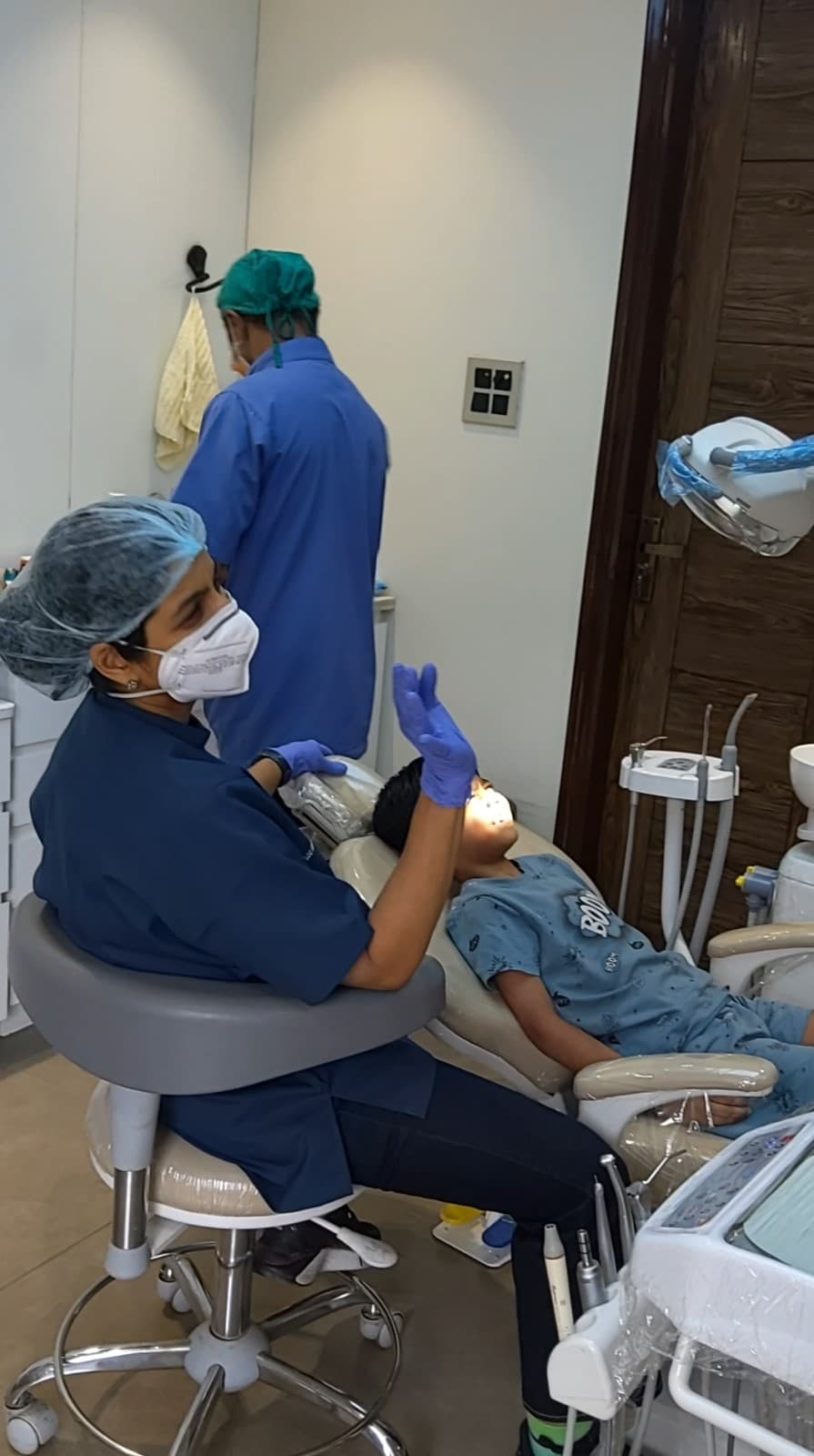
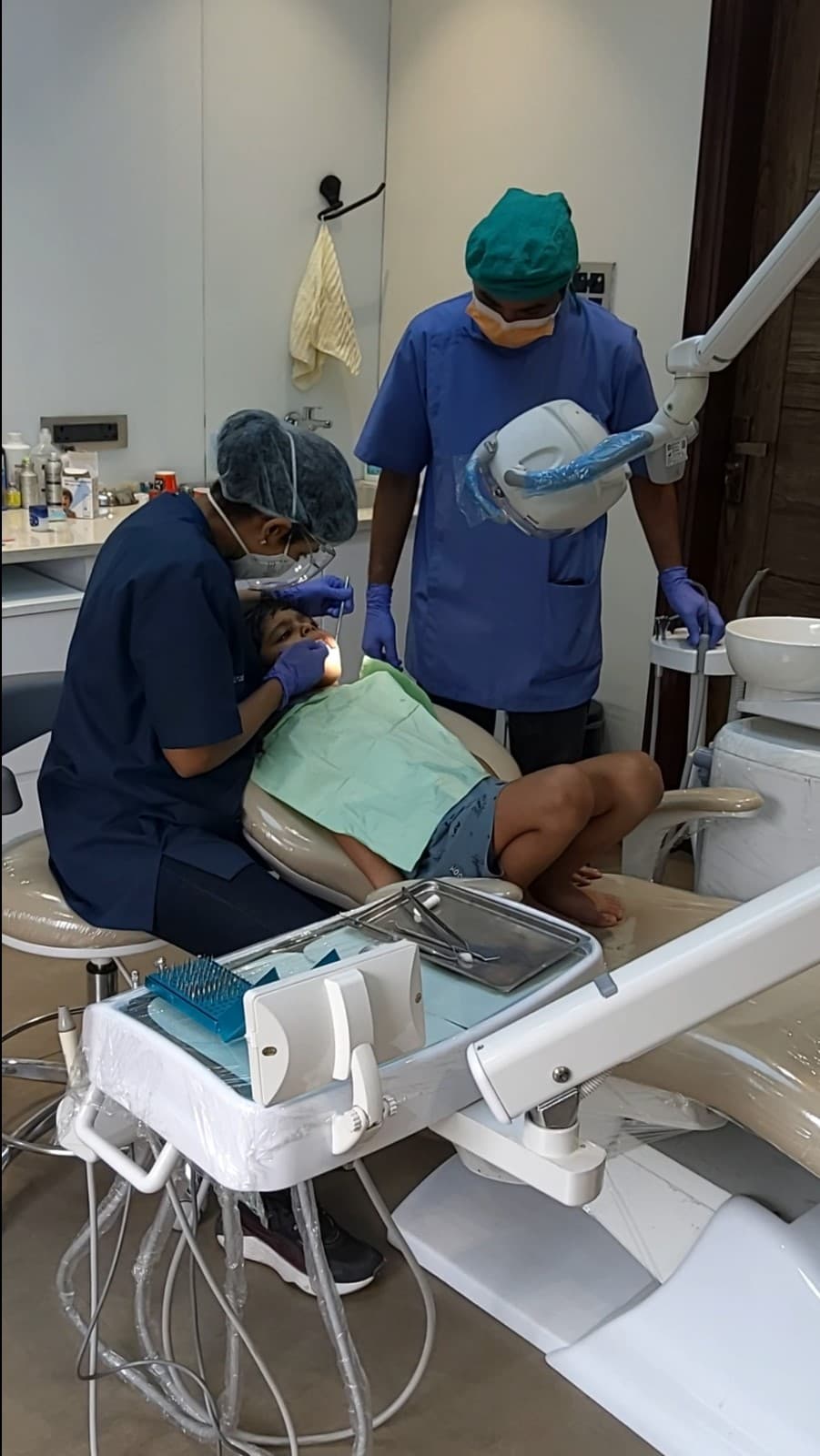
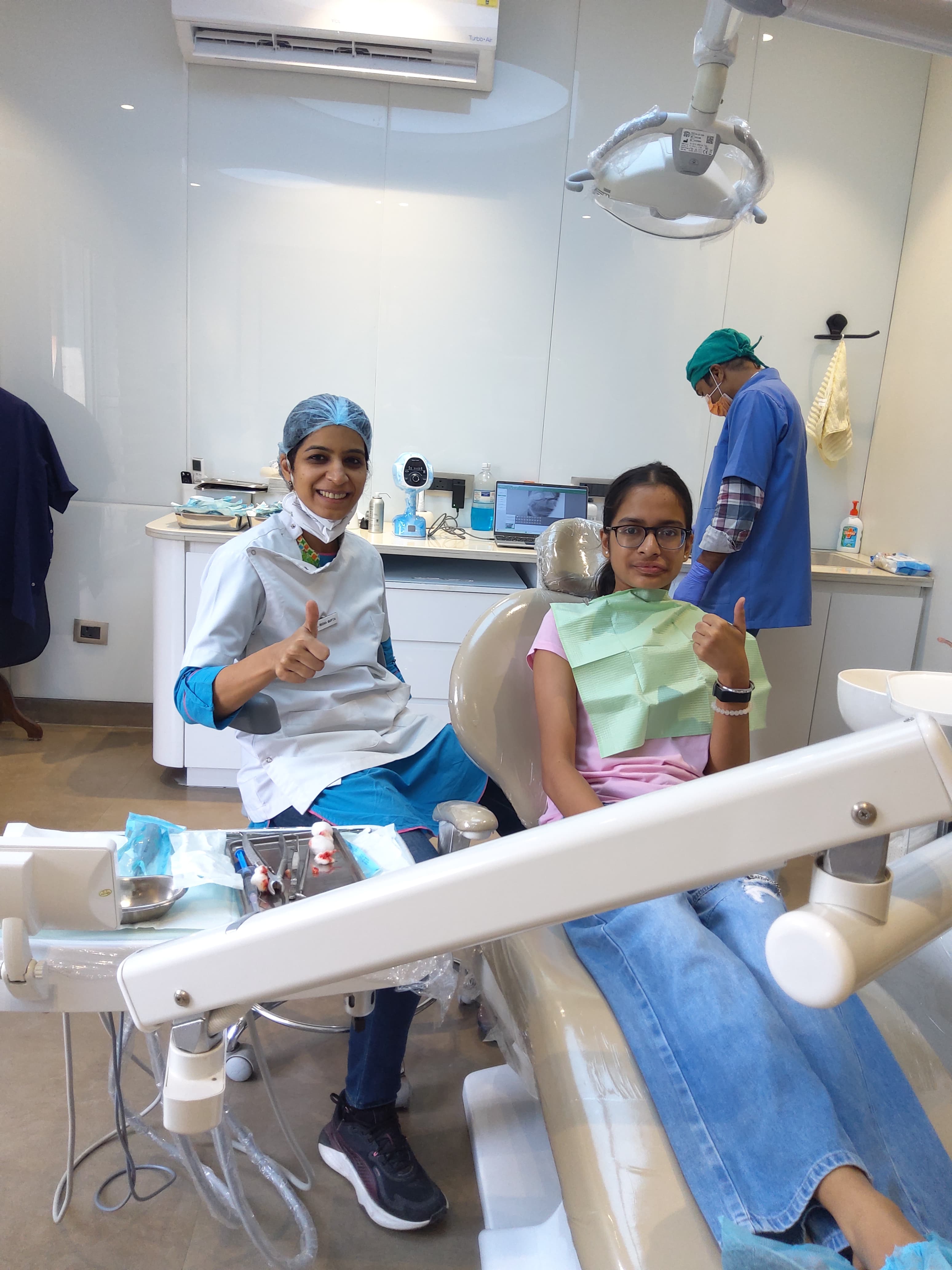
A closer look
Common misconceptions, cleared up
Baby teeth don't really matter since they fall out anyway.
Baby teeth guide the position of permanent teeth, support chewing and speech development, and hold space for adult teeth losing them early can cause real problems later.
Kids only need to see a dentist once something hurts.
We recommend a first visit around your child's first birthday, before any problems appear, so we can catch issues early and build comfort with dental visits.
Root canal treatment is never done on milk teeth.
It's a common and important treatment for deeply decayed or injured baby teeth, done to preserve them until they naturally fall out.
Why Choose Dental Greens for Kids Dentistry
We believe a child's comfort matters just as much as clinical outcomes. Our team is patient, warm, and experienced in helping even nervous first-timers relax.
By combining preventive care with a genuinely friendly approach, we help set your child up for a lifetime of healthy smiles.
Common questions
We recommend a first visit by age 1 or within six months of the first tooth appearing.
We keep first visits relaxed and positive, explaining everything in simple terms so kids feel comfortable, not anxious.
Yes baby teeth guide permanent teeth into position and support chewing and speech, so cavities are still worth treating.
Every six months, similar to adults, helps catch issues early and builds a comfortable routine.
Yes, both are commonly used as preventive measures to protect children's teeth from decay.
Yes when a baby tooth is deeply decayed or injured, treating it preserves the tooth until it naturally falls out, protecting chewing, speech, and space for the permanent tooth underneath.
Occasional thumb-sucking in young children is normal, but if it continues past around age 4, it can start to affect jaw development and tooth alignment we can advise on gentle habit-breaking approaches.
Flossing can start once two teeth touch, usually around age 2 to 3. Braces typically begin around age 12 once most permanent teeth have erupted, though we can spot developing issues from around age 7.