
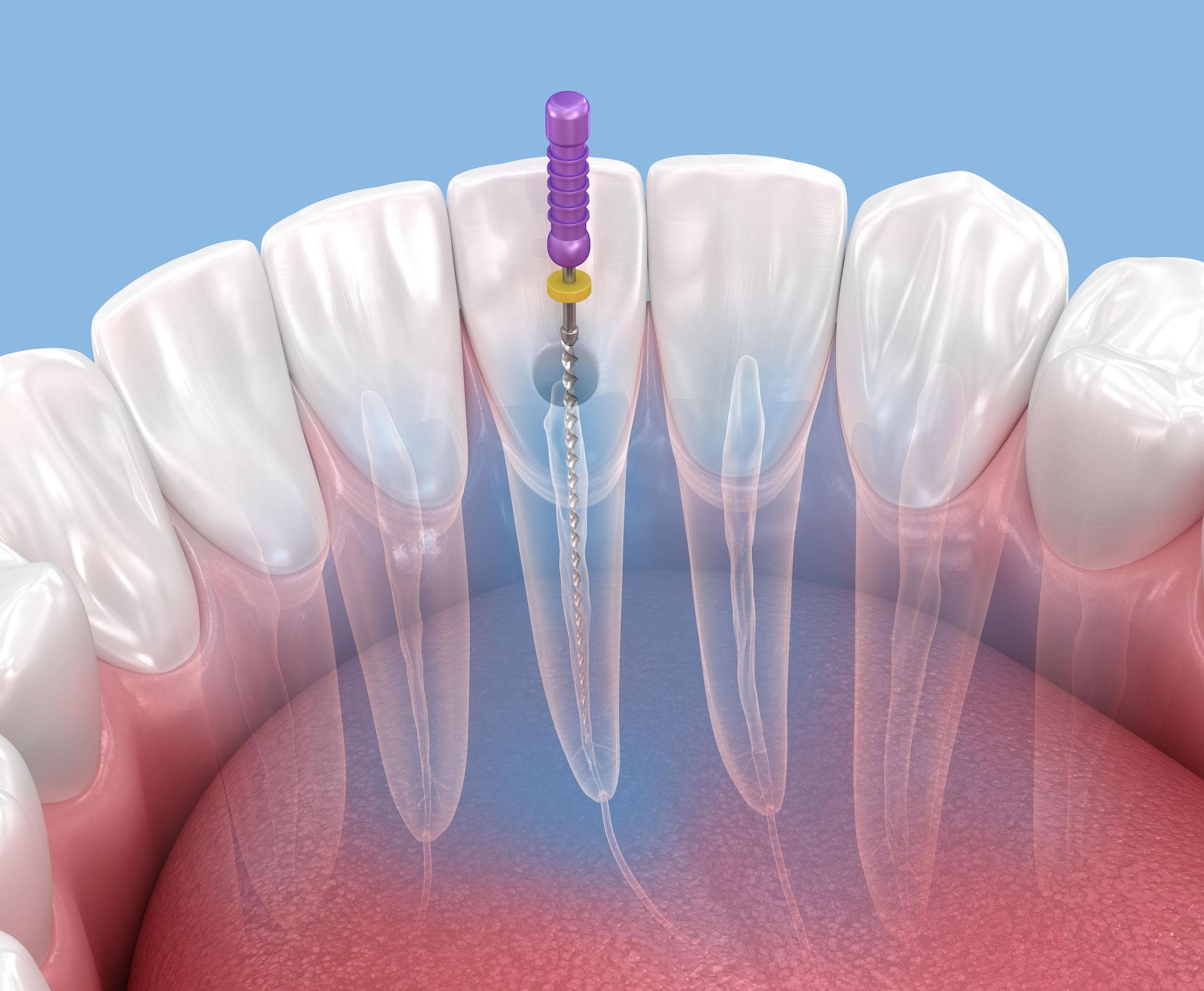
Root Canal Treatment
Root Canal Treatment uses proven, conventional technique to remove infected pulp, clean the canals, and seal the tooth, relieving pain and saving your natural tooth without the need for laser equipment.
When infection reaches the inner pulp of a tooth, timely treatment can mean the difference between saving the tooth and losing it. Root Canal Treatment uses a proven, conventional technique to clear infection, relieve pain, and protect your natural tooth.
Deep decay, cracks, or trauma can allow bacteria to reach the pulp at the center of a tooth, causing pain and, if untreated, risking tooth loss. Root Canal Treatment removes this infection using time-tested rotary instruments.
At Dental Greens, we begin with a thorough exam and digital imaging, then carefully clean and shape the canals before sealing them to prevent reinfection. A crown often follows to restore strength.
This conventional approach remains one of the most reliable ways to save a natural tooth, and it's suitable for the vast majority of root canal cases.
Benefits of Root Canal Treatment
- Effectively removes infection and relieves pain.
- Saves your natural tooth from extraction.
- A proven technique with decades of clinical success.
- Suitable for canals of varying shapes and complexity.
- Often more accessible and cost-effective.
- Restores normal biting and chewing function.
The Root Canal Treatment Process
After a detailed exam and digital X-ray, the area is fully numbed with local anaesthesia. Infected pulp is carefully removed, and the canals are cleaned, shaped, and disinfected using precise hand and rotary instruments.
Once free of infection, the canals are sealed, and a filling or crown restores the tooth's shape and strength for everyday use.
Who Is Root Canal Treatment Suitable For
This treatment is suitable for patients with infected or inflamed pulp caused by deep decay, cracks, repeated dental procedures, or trauma.
It's a good option when a straightforward, well-established technique is preferred, or when a tooth's canal anatomy is best treated mechanically.
During your consultation, we'll assess your tooth and recommend whether conventional or laser-assisted treatment best suits your case.
Your Root Canal Treatment journey
Examination & X-ray
We assess the extent of infection using a thorough exam and digital imaging.
Local Anaesthesia
The area is fully numbed for a comfortable procedure.
Cleaning & Shaping
Infected pulp is removed and the canals are cleaned and shaped using fine instruments.
Sealing & Restoration
Canals are sealed, and a filling or crown restores the tooth's strength.
Root Canal Treatment vs. Extraction
| Root Canal Treatment | Extraction | |
|---|---|---|
| Function | Saves and restores the natural tooth | Removes the damaged tooth entirely |
| Recovery | 1 to 2 days of mild soreness | About a week or more |
| Follow-up | A crown is usually recommended | Implant, bridge, or denture needed to replace it |
| Long-term cost | Often lower once replacement is factored in | Can cost more once a replacement tooth is added |
| Appearance | Keeps your natural tooth in place | Needs a prosthetic to restore appearance |
What Root Canal Treatment costs
| Root canal treatment | From ₹5,350 |
| Re-root canal treatment | From ₹10,100 |
Starting prices shown for reference only; final cost depends on the tooth treated and case complexity. Confirm current pricing at your consultation.
Aftercare for Root Canal Treatment
- Avoid biting directly on the treated tooth until a permanent filling or crown is placed.
- Stick to softer foods for the first day or two while any soreness settles.
- Continue brushing and flossing gently as normal around the treated tooth.
- Take any prescribed medication as directed and avoid smoking while healing.
- Book your crown appointment promptly if recommended, to protect the tooth from fracture.
- Contact us if pain, swelling, or pressure persists once the anaesthesia wears off.
A closer look
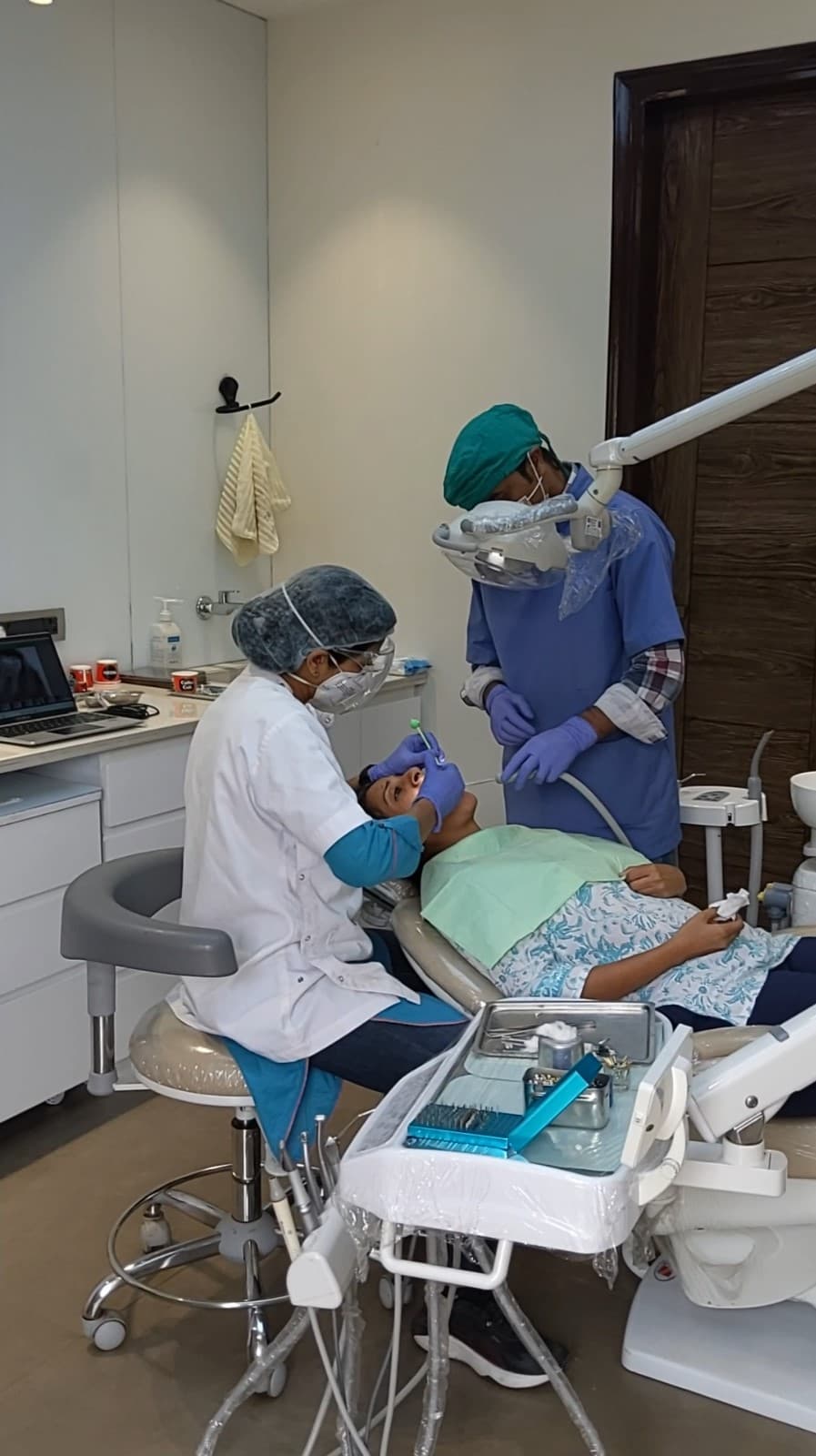
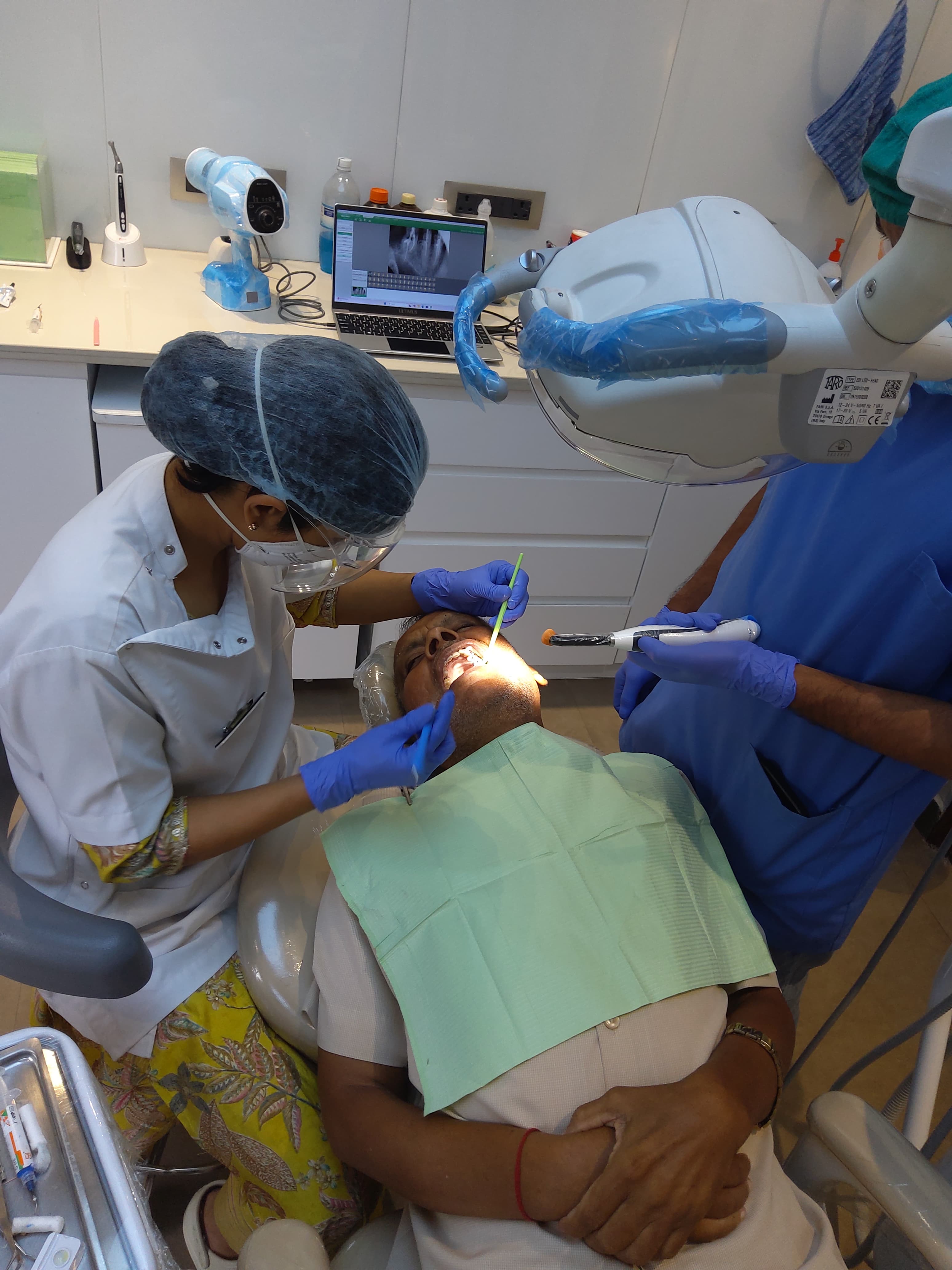
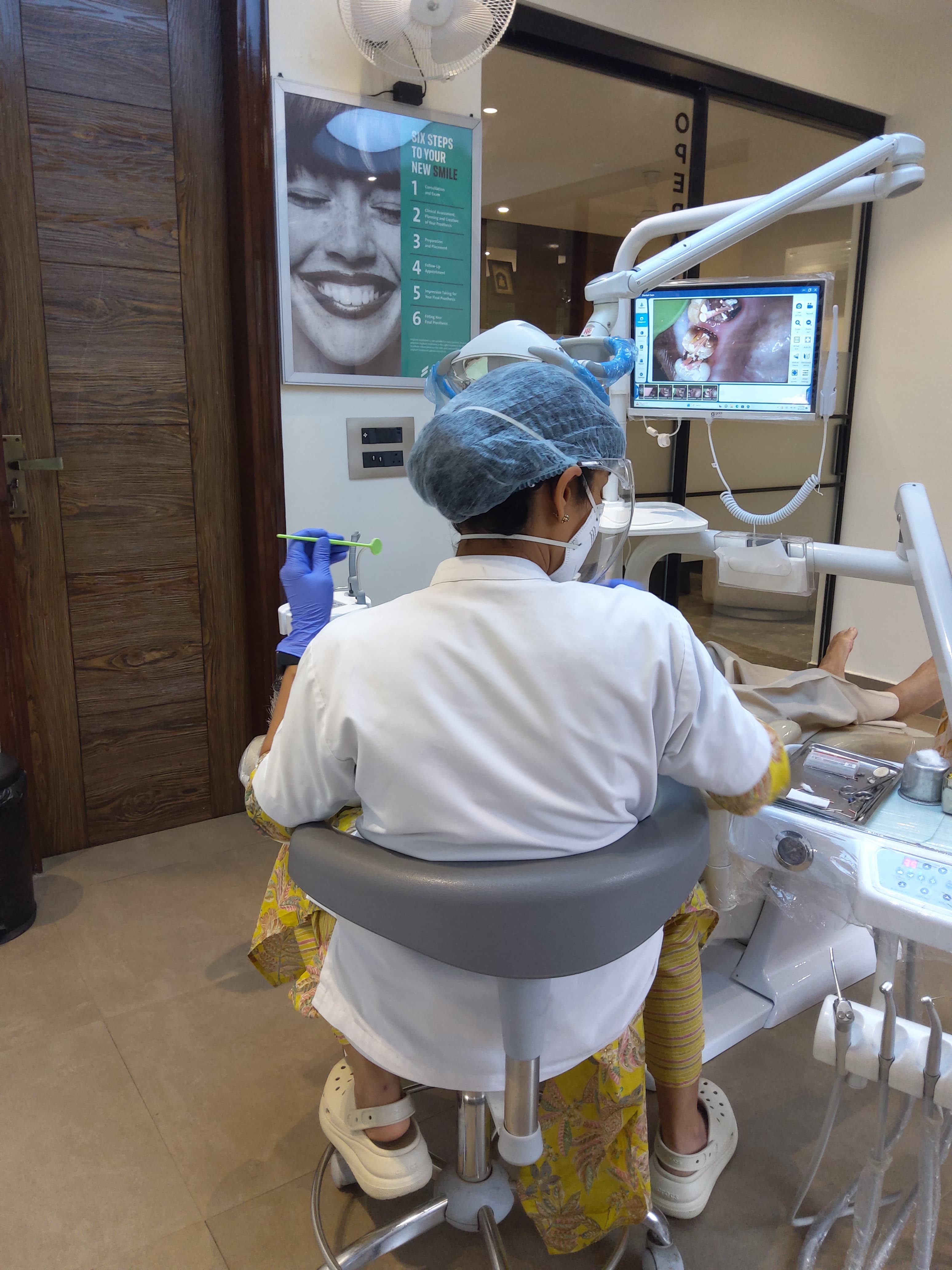
Common misconceptions, cleared up
Root canal treatment is extremely painful.
Modern anaesthesia keeps you comfortable throughout the procedure is designed to relieve pain, not create it.
It's simpler to just extract the tooth instead.
Extraction usually means a costlier and more involved replacement later saving the natural tooth is often the simpler long-term choice.
Root canal treatment is only necessary for older patients.
Anyone with infected or inflamed pulp can need this treatment, regardless of age.
Why Choose Dental Greens for Root Canal Treatment
Whether a case calls for conventional or laser-assisted treatment, our priority is always saving your natural tooth with as little discomfort as possible.
Our team combines careful technique with clear communication, so you always know what to expect at every step.
Common questions
Conventional root canal treatment uses precise mechanical instruments rather than laser equipment it's a proven, widely used technique effective for most cases.
No modern anaesthesia keeps you comfortable, and the procedure is designed to relieve pain, not cause it.
Many cases are completed in one to two visits, depending on the complexity of the infection.
Often yes, especially for back teeth, to protect and strengthen the treated tooth.
Yes for most standard cases, conventional treatment is just as effective; your dentist will recommend the best approach for your specific tooth.
With a good restoration and regular checkups, treated teeth commonly last 8 to 10 years, and many last a lifetime.
The infection can spread, pain typically worsens, and left long enough, it can lead to an abscess or loss of the tooth treating it early keeps your options simpler.
The tooth itself becomes more brittle after treatment, which is why a crown is usually recommended afterward it reinforces the tooth rather than weakening it further.