
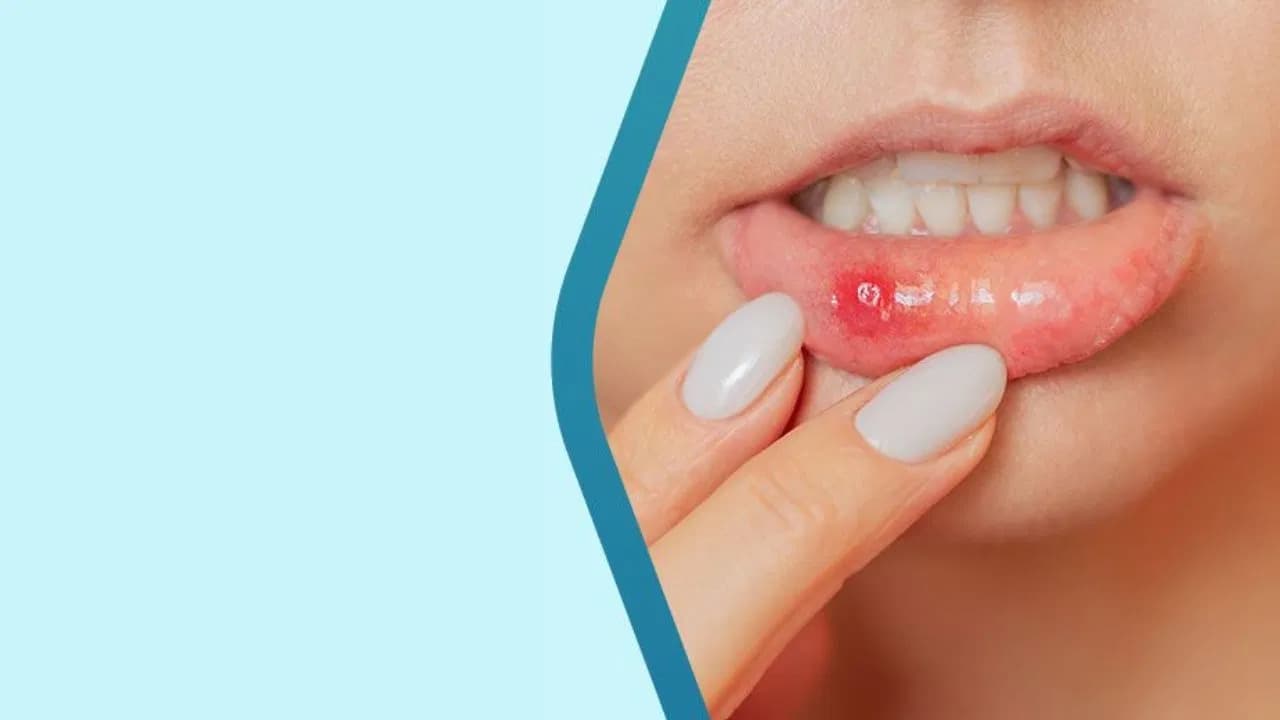
Mouth Ulcers
Mouth ulcer treatment identifies the cause of recurring or painful sores and provides targeted relief, from topical care to addressing underlying triggers, so eating and speaking feel comfortable again.
A mouth ulcer can turn everyday eating and speaking into a painful chore, especially when it lingers or keeps coming back. At Dental Greens, we don't just treat the sore we look for what's causing it, so you get relief now and fewer ulcers down the line.
Mouth ulcers are small but disruptive small breaks in the soft tissue of the mouth that can make chewing, talking, and even smiling uncomfortable. While most heal on their own, persistent or recurring ulcers deserve a closer look.
At Dental Greens, we start by understanding your history: how often ulcers appear, what seems to trigger them, and whether a sharp tooth, filling, or appliance edge is contributing. We then apply treatment to ease pain and speed healing.
For patients with frequent ulcers, we look deeper into diet, stress, and nutrient levels, offering practical guidance to reduce how often they return.
Benefits of Mouth Ulcer Treatment
- Faster relief from pain and discomfort.
- Identifies and addresses underlying triggers.
- Reduces the frequency of recurring ulcers.
- Safe, soothing treatment suitable for sensitive mouths.
- Helps rule out sharp edges or ill-fitting appliances as a cause.
- Personalized guidance to prevent future flare-ups.
The Mouth Ulcer Treatment Process
We begin with a careful examination and a few questions about your diet, stress levels, and how often ulcers appear. A soothing topical treatment is then applied to ease pain and support healing.
If ulcers are recurring, we discuss possible contributing factors and may suggest simple dietary or hygiene changes to help prevent them going forward.
Who Is Mouth Ulcer Treatment Suitable For
This treatment is suitable for anyone experiencing a painful mouth ulcer, whether it's an occasional occurrence or a recurring issue that disrupts eating and speaking.
It's especially helpful for patients with ulcers caused by braces, dentures, or a sharp tooth edge, as well as those whose ulcers keep coming back without an obvious cause.
During your visit, we'll examine the ulcer, rule out other causes, and recommend the right relief and prevention approach for you.
Your Mouth Ulcers journey
Assessment & History
We review your diet, health history, and how often ulcers recur to identify possible triggers.
Pain Relief
A soothing topical treatment is applied to ease pain and support healing.
Cause Investigation
For recurring ulcers, we check for vitamin deficiencies, ill-fitting appliances, or sharp edges.
Prevention Plan
Personalized guidance on diet, oral hygiene, and follow-up care to reduce future flare-ups.
Aftercare for Mouth Ulcer Treatment
- Avoid spicy, salty, acidic, or rough foods while the ulcer heals, as they can irritate the area.
- Use a soft-bristled toothbrush and brush gently around the affected spot.
- Rinse with warm salt water or a prescribed antiseptic mouthwash as advised.
- Avoid picking at or biting the ulcer, which can slow healing.
- Note how often ulcers recur and any possible triggers, so we can help address the underlying cause.
- See us if an ulcer hasn't healed within about three weeks, or if it's unusually large or painful.
A closer look
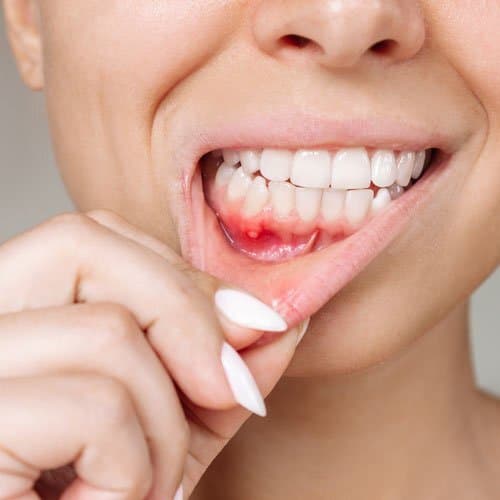
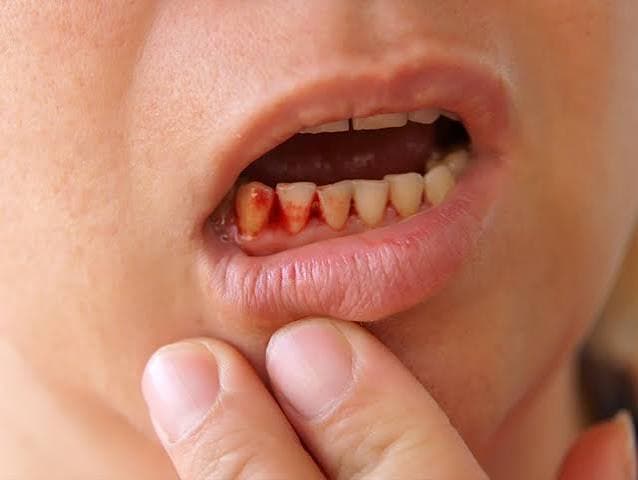
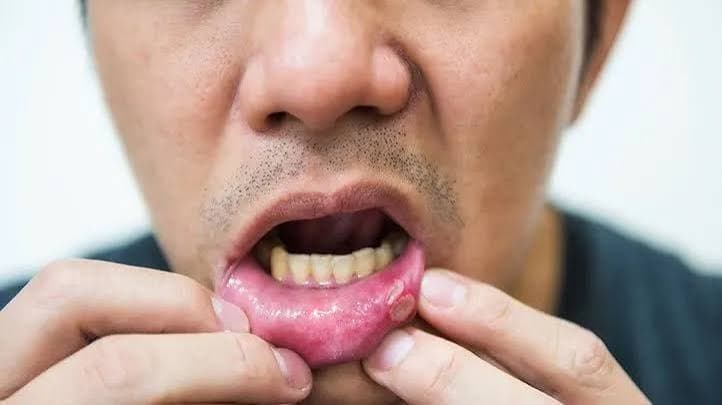
Common misconceptions, cleared up
Mouth ulcers are contagious, like cold sores.
Common mouth ulcers (aphthous ulcers) are not contagious they're a different condition from cold sores, which are caused by a virus.
Ulcers are always caused by a vitamin deficiency.
Deficiency is only one possible cause. Trauma, stress, sharp tooth or appliance edges, and certain foods can all trigger ulcers too.
There's no need to see a dentist you just wait it out.
Most ulcers do heal on their own, but recurring ulcers or ones that linger past three weeks are worth having checked to rule out an underlying cause.
Why Choose Dental Greens for Mouth Ulcer Treatment
We take mouth ulcers seriously, even though they're common, because persistent pain shouldn't be something you just live with. Our team looks beyond the symptom to understand the cause.
With a gentle, unhurried approach and clear guidance on prevention, we help you get comfortable again and stay that way.
Common questions
Most simple ulcers heal on their own in 7 to 10 days, but treatment can significantly reduce pain sooner.
No, common mouth ulcers (aphthous ulcers) are not contagious and are different from cold sores.
Recurring ulcers can be linked to stress, minor injury, certain foods, vitamin deficiencies, or a sharp tooth or appliance edge we'll help pinpoint the cause.
If an ulcer lasts longer than two weeks, is unusually large, or keeps recurring, it's best to have it checked.
Yes, acidic, spicy, or rough foods can irritate ulcers, and certain deficiencies (like B12, iron, or folate) can make them more frequent.
For ulcers that keep coming back, we may suggest simple blood tests to check for underlying infection or nutrient deficiencies, such as vitamin B12, iron, or folate.
An ulcer that hasn't healed after about three weeks should be evaluated promptly persistent non-healing sores are uncommon but worth checking properly.
Yes, a rough edge or ill-fitting appliance is a common trigger. We can smooth or adjust the appliance to stop it from recurring.